
General integration course
in Saarbrücken and Völklingen
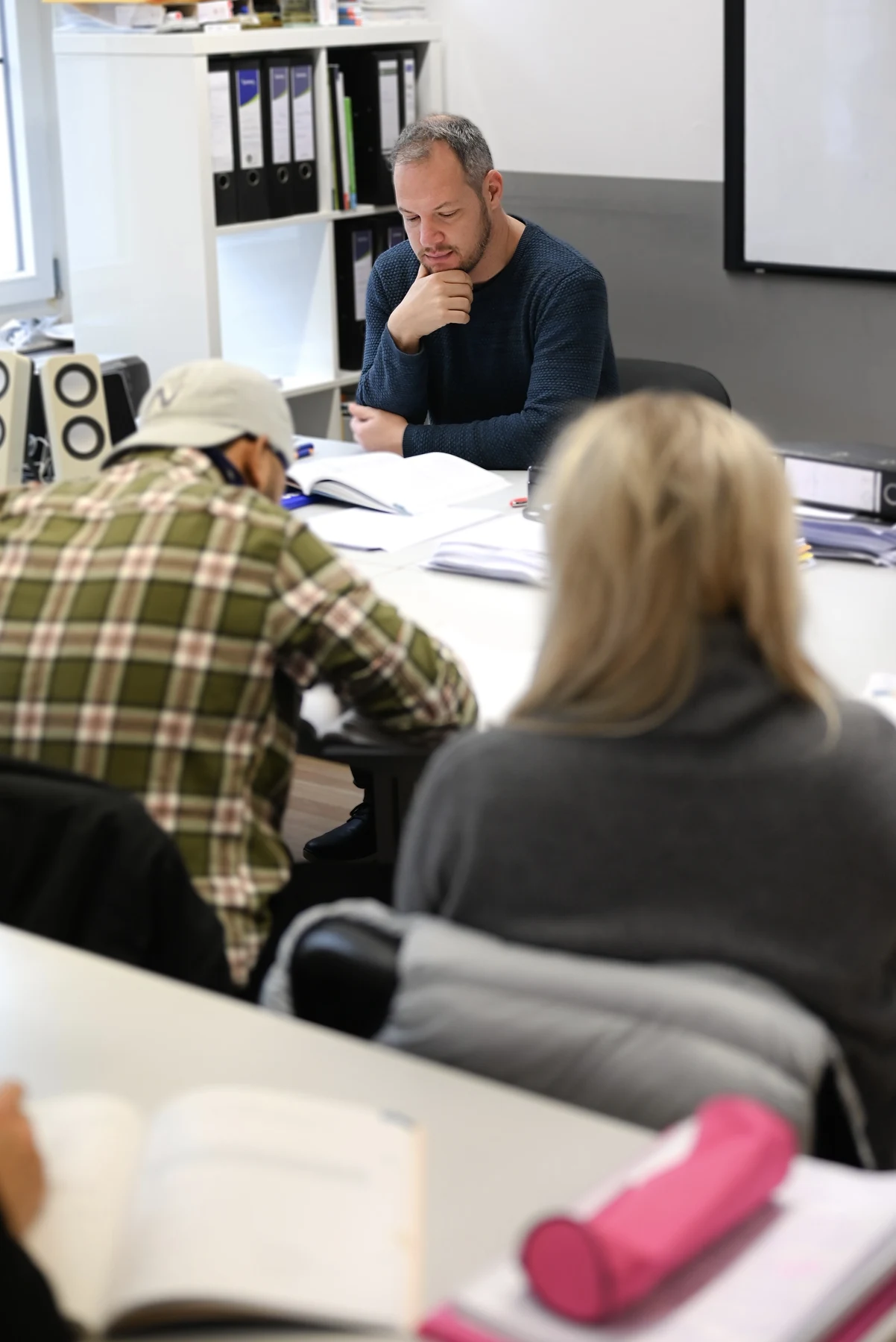
The general integration course is the most common type of integration course. It combines German lessons with an orientation course and helps participants feel more confident in everyday life, in society and when taking their next personal or professional steps.
The course is intended for immigrants who want to build or improve their German language skills. In addition to language, it teaches important fundamentals about life in Germany, its culture, history and legal system.
Learn German and find your way around Germany
The general integration course consists of a language course followed by an orientation course. In the language course, participants acquire German skills for everyday life and communication. The orientation course provides knowledge about Germany, its democratic system, legal system, culture and history.
The modular structure enables participants to learn at a pace suited to their previous knowledge. Course sections can be repeated or skipped, and learners may change course providers after completing a section.
Scope
600 teaching units of language instruction and 100 teaching units for the orientation course.
Structure
Basic and advanced language courses comprising six course sections in total.
Course objective
German language skills up to level B1 of the Common European Framework of Reference for Languages.
Qualification
German Test for Immigrants and the orientation course test.
Lessons
At least 5 and no more than 25 teaching units per week.
Class size
No more than 20 participants per course.
How the integration course is structured
The general integration course follows a clear structure. Participants first learn German in the basic and advanced language courses, followed by the orientation course. The programme concludes with a language examination and an orientation course test.
Language course
The language course comprises 600 teaching units and consists of a basic and an advanced language course. Each part is divided into three blocks of 100 teaching units.
Orientation course
The language course is followed by the 100-teaching-unit orientation course, which is held in German. The orientation course teaches practical knowledge about everyday life as well as Germany's legal system, culture and history.
Qualification
The integration course concludes with a language examination and an orientation course test. Passing both tests provides evidence of successful participation in the integration course.
What you will achieve on the course
The objective of the language course is to acquire sufficient German language skills. Participants should be able to manage everyday life independently, hold conversations and express themselves in writing.
The orientation course complements the language lessons with important knowledge about Germany. This includes the legal system, culture, history and the central values of a democratic society, such as the rule of law, equality, tolerance and freedom of religion.
German for everyday life
Language skills for conversations, everyday situations and written communication.
Knowledge about Germany
Guidance on culture, history, the legal system and social values.

Who can take part?
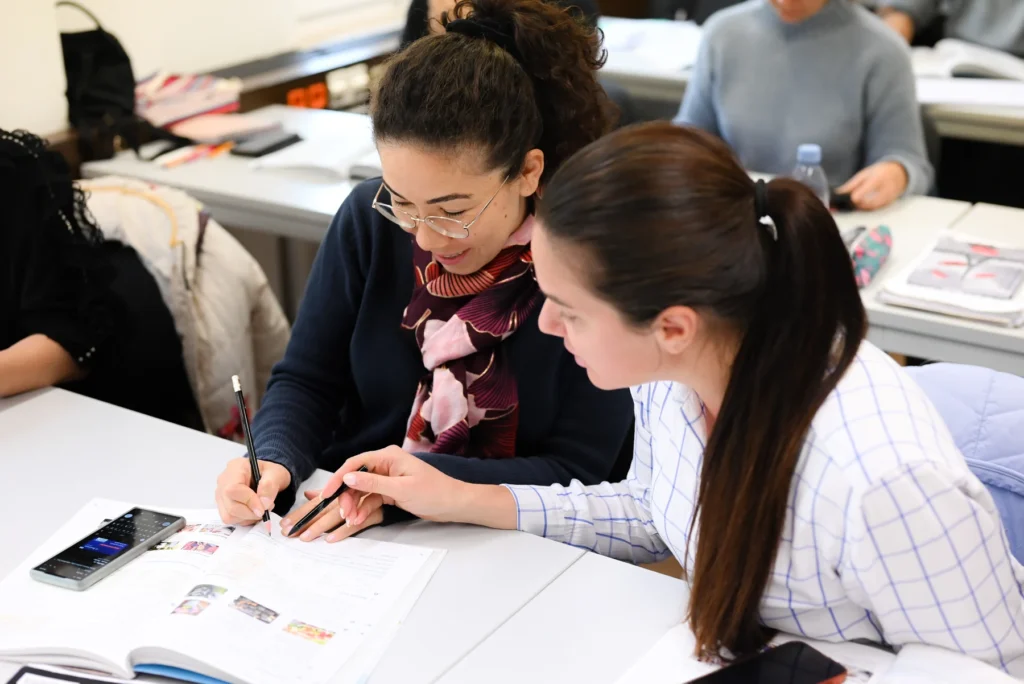
Foreign nationals who receive a residence permit for permanent residence in Germany for the first time may be entitled to take part in an integration course once.
People who already have sufficient German language skills or do not require integration support may be excluded. School-age children and young adults beginning or continuing school education are also not part of the target group for this course.
Certain groups may be required to participate. This includes people instructed to attend by the immigration authority, for example because they receive basic income support for jobseekers or have a particular need for integration.
Special rules under the Federal Expellees Act apply to ethnic German repatriates, their spouses and descendants.
The brochure provides a concise overview of the integration course and the enrolment process.
Frequently asked questions about the general integration course
Here you will find answers to important questions about the structure, objective, participation requirements and lesson times of the general integration course. If you have any further questions, you can contact us at any time using the contact form.
How is the general integration course structured?
The general integration course consists of a 600-teaching-unit language course and a 100-teaching-unit orientation course. The language course is divided into basic and advanced sections and comprises six course sections in total.
What language level does the course aim for?
The objective of the language course is level B1 of the Common European Framework of Reference for Languages. Participants should then be able to communicate independently in everyday situations, hold conversations and express themselves in writing.
What will I learn in the orientation course?
The orientation course covers life in Germany, culture, history, the legal system and the democratic system. It also teaches important values for living together in society, including equality, tolerance and freedom of religion.
How many people take part in a course?
The class size is limited to no more than 20 participants. This keeps lessons manageable and enables teachers to respond more effectively to different levels of prior knowledge and learning progress.
When do the courses take place?
Courses generally take place between 8 a.m. and 6 p.m. Exact lesson times depend on the current course programme and location.